
What To Do After Your Emergency Fund Takes A Hit
- Jul 13, 2017
- 3 min read
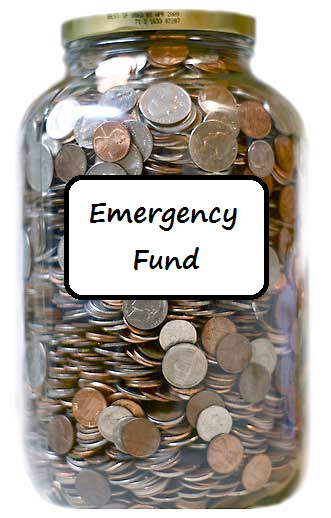
Last weekend, my wife and I experienced a sewage backup in our downstairs. I'll spare you the gross details. A cracked pipe under our foundation was the culprit.
The cost to jackhammer up my basement foundation, tunnel under my front porch, and replace 150 feet of exit pipe out to the street cost me $20,591. That amount doesn't even include the cost of the restoration crew, the general contractors who will demo and rebuild a few walls, or the new carpet. I expect the final bill to come to $35,000+.
Homeowner's policies are designed to cover diagnosing and getting to the affected area as well as the restoration, but not the replacement materials or the associated labor to carry out the actual repair. In my case, they'll cover the work inside the house, but anything not directly under the foundation isn't covered (this is normal, and it's just the way policies are written). All said and done with the deductible added in, I am kissing $17,591 of cash goodbye.
Now What?
In a few days I'll start receiving money back from the insurance company. Once the accounting of how far my bank savings declined is complete, I can formulate a rebuilding strategy to get back on track.
If you don't know what your emergency fund target should be, the CFP Board provides us with a simple formula: if both spouses are actively employed, emergency savings should equal at least 3 months of liability and living expenses. If only one spouse works, like my household, then the minimum becomes 6 months worth of expenses.
It's going to take me 4-5 months to restore my emergency fund. Sadface...
Competing Goals
Over the last couple years, I was able to shovel a higher % of cash flow into my Solo 401(k) account because my emergency fund was built. Obviously, that just changed. Since there is only so much cash flow to deploy each month, my priorities will shift away from 401(k) contributions to bank savings instead.
I don't like the reduction of 401(k) contributions, but it's necessary. We must always think about our financial planning goals in a priority-based system. It would be convenient if we never had to deviate from our original plan. Unfortunately, circumstances evolve, and things will never remain static.
My wife and I also had to shelf another goal, buying a pop-up camper for a National Parks vacation next year. It's disappointing in the sense that we were actively shopping for a camper, and now we feel defeated. The reality though is that we'll rebuild the emergency fund, ratchet 401(k) contributions back up in a few months, and then get back to shopping for the camper early next year.
Be Flexible
Humans don't like change, especially when it comes to money. I hate my newly shifted savings responsibilities! Even though it's easy for me to push a different button each month, the idea of reducing retirement plan contributions makes me squeamish, even if it's just a temporary adjustment.
Recognize that flexibility is one of our greatest attributes as we all strive for monetary efficiency and competency. My insurance claim experience was a good reminder that our financial plans aren't guaranteed. There is no such thing as a 100% probability of success with money. We must accept that we're going to get knocked off track sometimes. Maintaining the expectation that things can and will occasionally go wrong is beneficial because it helps us remain calm and logical during challenging times.
Overcome Your Emotion Bias
If you get blown up financially, emotion often overrides rationale decision making. Remember to discuss your new financial situation with your personal advisor. Most advisors don't charge by the hour, so reach out.
Instead of quarreling with a spouse because you're upset at the situation, solicit an unbiased outlook from an experienced advisor to help make sense of the situation and refocus the goals. Don't let your ego get in the way. Engaging a competent, rationale opinion in a difficult time can help you avoid a bad decision. My kind is here to help.


Comments